


Why Great IoT Products Are Built with Software, Not Just Sensors
Many assume IoT’s biggest hurdles are hardware: sensors, devices, and connectivity. In fact, software usually decides whether an IoT product succeeds or fails.

Beautifully engineered devices are often paired with confusing apps that leave users frustrated, disengaged, or even cause them to abandon the product altogether.
So what separates the forgettable from the fantastic?
Here are the 5 key principles we follow when building apps for IoT products, especially in healthcare, wellness, and connected devices:
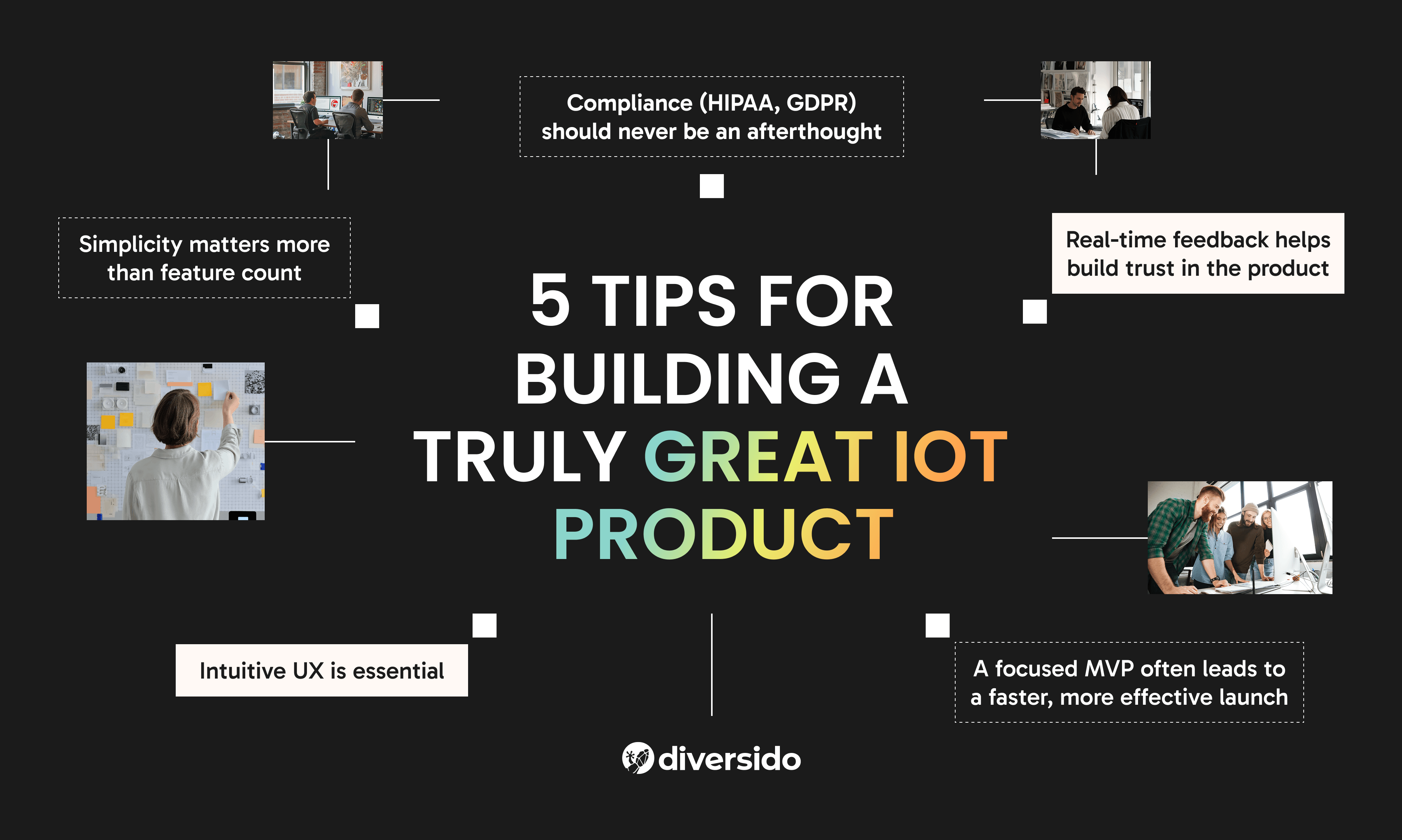
1. Simplicity matters more than feature count
More features don’t make a better app. Prioritise what matters most.
In VisualGains , a wearable that helps athletes track body measurements in real time, we focused the MVP on just a few high-value actions: wear the strap, see measurements, track progress. That lean feature set gave users immediate results and kept them coming back.
We took a similar approach when building a scooter rental app, prioritising unlock, ride, and park. Only after validating usage did we add extras like ride history or payment settings.
2. Intuitive UX is essential
Your users shouldn’t need a manual. Clear navigation and thoughtful flows are especially critical for non-technical users or those with cognitive or physical limitations.
When we designed MindLoop, a neurocognitive support tool for people with ADHD, our goal was to keep it calm and minimal. Many users were children or adults who get easily overwhelmed. Simple navigation and consistent patterns helped reduce friction.
3. Real-time feedback helps build trust
Real-time updates reassure users that their device and data work properly.
In VitalsBridge, data flows through a hardware stack that includes Raspberry Pi and Bluetooth. When a trainer changes heart rate on the app, the monitor reflects it almost immediately. That kind of responsiveness helps mimic a real emergency scenario — and keeps the user focused.
With VisualGains, the live bicep tracking motivates users mid-session. It’s subtle, but when people see results in real time, they trust the product more.
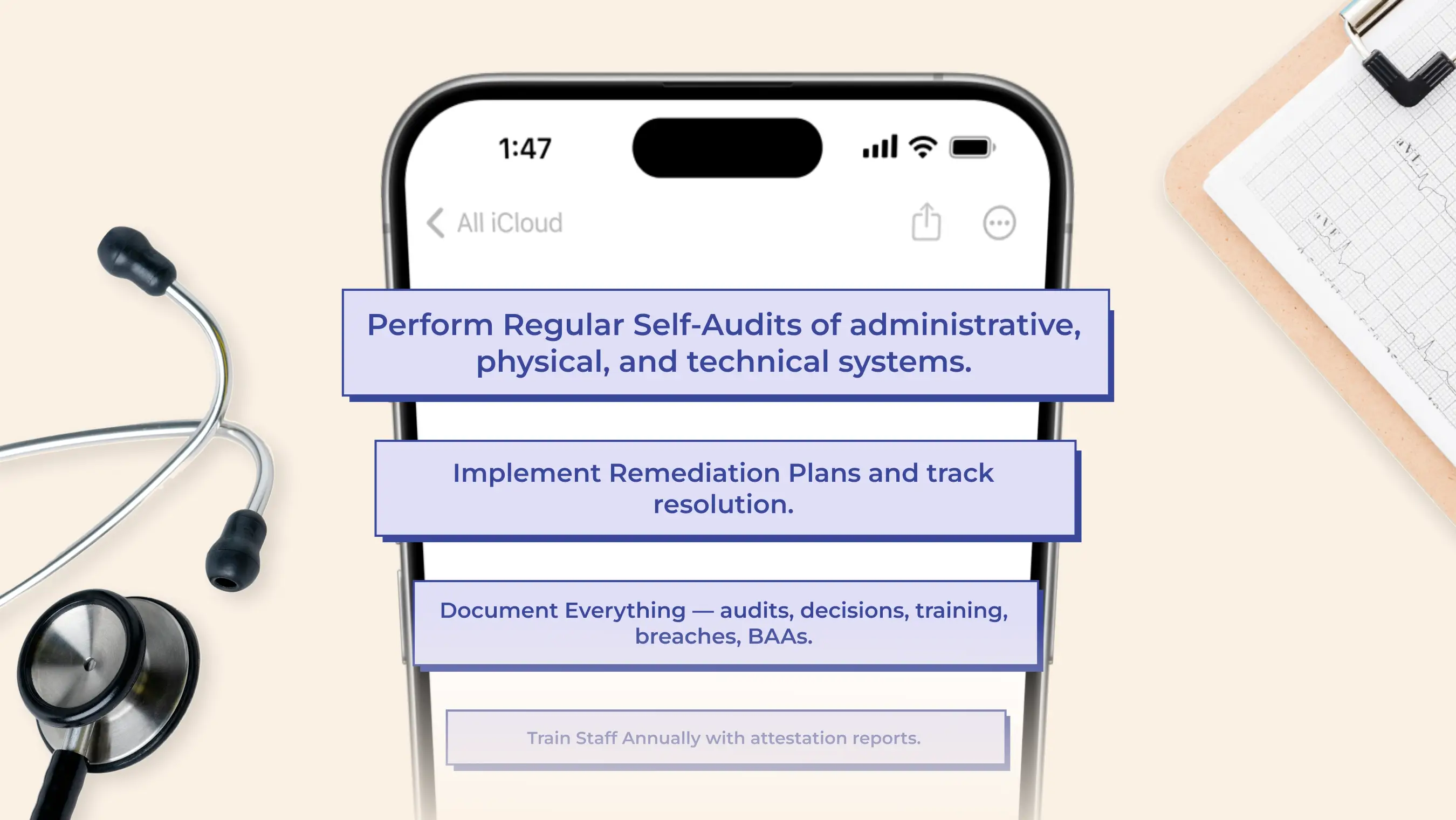
4. Compliance (HIPAA, GDPR) should never be an afterthought
In healthcare, compliance must be embedded from the start.
This affects decisions from system architecture to how devices store and transmit sensitive health data. Whether it’s a wearable, monitoring device, or connected simulation tool, regulations like HIPAA and GDPR should be treated as core functionality, not a checklist item at the end.
5. A focused MVP leads to a faster, more effective launch
A lean MVP enables you to validate, gather feedback, and improve quickly.
In our experience, the best IoT launches focus on solving one real user problem really well, then expand from there. Rather than building everything up front, start with the shortest path from setup to value. That gives you something to test, learn from, and evolve.
Where This Matters Most
These principles apply across a wide range of connected products, particularly where software plays a key role in user experience, safety, or data handling. We’ve seen them make a measurable difference in:
- Healthcare and wellness wearables
- Clinical training and simulation tools
- Rental and shared-use hardware
- Remote monitoring and fitness tracking systems
- Consumer IoT products requiring secure data exchange or real-time control
Whether you're working with medical devices, mobility solutions, or home wellness tech, how you design the software layer will shape how people trust, use, and rely on the product.
Curious how this plays out in healthcare? Take a look at our breakdown of wireless IoT architecture and integration.
It’s the Experience That Matters
A well-built sensor is impressive. But it’s the digital experience, the app, that fosters trust, daily use, and long-term value.
At Diversido, we design and build software that turns IoT devices into scalable, user-friendly, and compliant products. Whether it’s Bluetooth-enabled training tools, health wearables, or connected rental devices, our team brings the technical depth and healthcare-specific knowledge to make your idea real.
Have an IoT idea in mind? Let’s connect.
There’s no obligation, just an open conversation about building it right from the start.
.webp)

