

Your Users Don’t Want Points. They Want Progress
Gamification is often treated as an extra feature to make apps more fun. In reality, its real value is in helping people build habits, stay motivated, and notice real progress.
.png)

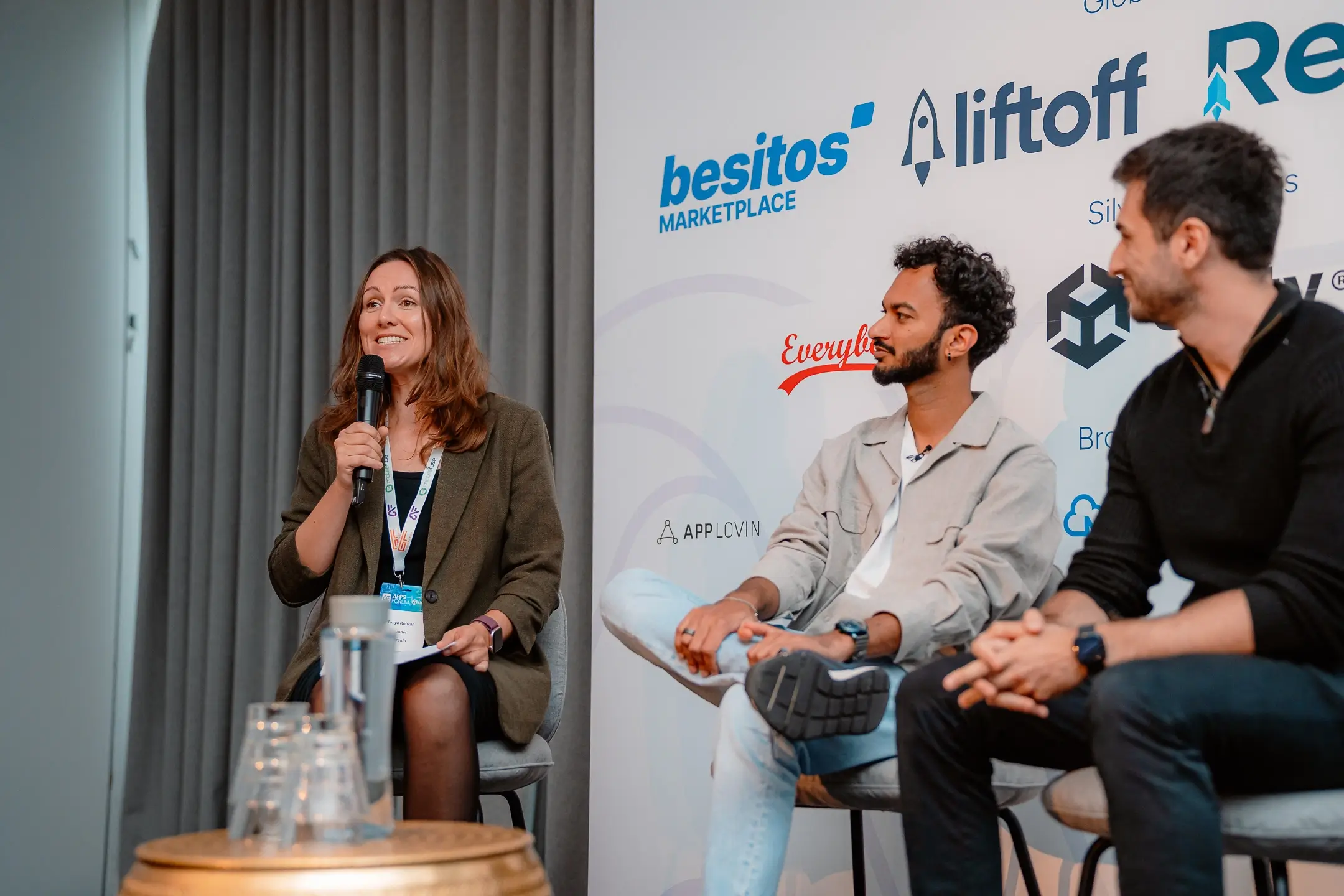
At AppsForum London 2025, our founder, Tetiana Kobzar, joined Raphael Basile from Macadam and Shaunak Vaichal from Cleo AI for a panel on gamification. The discussion focused on how product teams can use gamification thoughtfully to support retention, engagement, and long-term growth, without falling into the trap of adding features for the sake of it.
Here are a few insights that resonated with us.
Gamification isn’t new, but the standard has changed
Apps like Duolingo and Fitbit have set new expectations. People now look for feedback, recognition, and a sense of progress when they use a product. If they don’t find it, they’ll look elsewhere.
But gamification today is less about leaderboards and badges, and more about connecting features to what really motivates users. It means looking past points and asking:
- Why are we adding this feature, and how does it help both the user and the product succeed?
- What does “progress” mean in this product?
- What’s meaningful to this user right now?
- How do we support what’s meaningful, not distract from it with unnecessary mechanics?
Copying features rarely works. Learning from the thinking behind them does
The panel agreed that copying features from popular apps is a common mistake. A progress bar that works in one product might not fit another.
Instead, it helps to look at the thinking behind successful gamification. What need does it address? What behaviour does it encourage? What problem does it help solve?
As Shaunak put it, “Start with the motivation. Then build backwards.”
Motivation is not one-size-fits-all
User segmentation matters for product features, not just marketing. What motivates someone new to your app is different from what keeps experienced users engaged.
Raphael shared how their team tailored gamified features to different user stages. They built simple mechanics for new users and more advanced progression for those who use the app regularly.
This approach means asking not just what to build, but who it’s for and what they need at each stage.
Metrics matter, but so does feeling
Gamification only works when it helps people make real progress. That’s why it’s important to look at both hard metrics, like engagement rates, and softer signals, like feedback or observed behaviour.
At Diversido, we often say: success isn’t just about what people do in your product — it’s how they feel while doing it. That emotional layer is what turns retention into loyalty.
A takeaway for teams building digital products:
A key theme from the panel: product success is about understanding how people think, what motivates them, and how to design for long-term value rather than quick wins.
At Diversido, we see gamification as a way to make digital products more human. Good design should help people build habits, feel in control, and stay motivated.
We’re grateful to AppsForum for hosting an open, thoughtful conversation, and to everyone who shared their insights. These are the conversations product teams need to have.
Watch the full panel
For a closer look at the full conversation, here’s the complete recording from AppsForum London 2025:
Looking to build more innovative, engaging products?
See how we apply behavioural thinking and gamification.
.webp)
.png)

